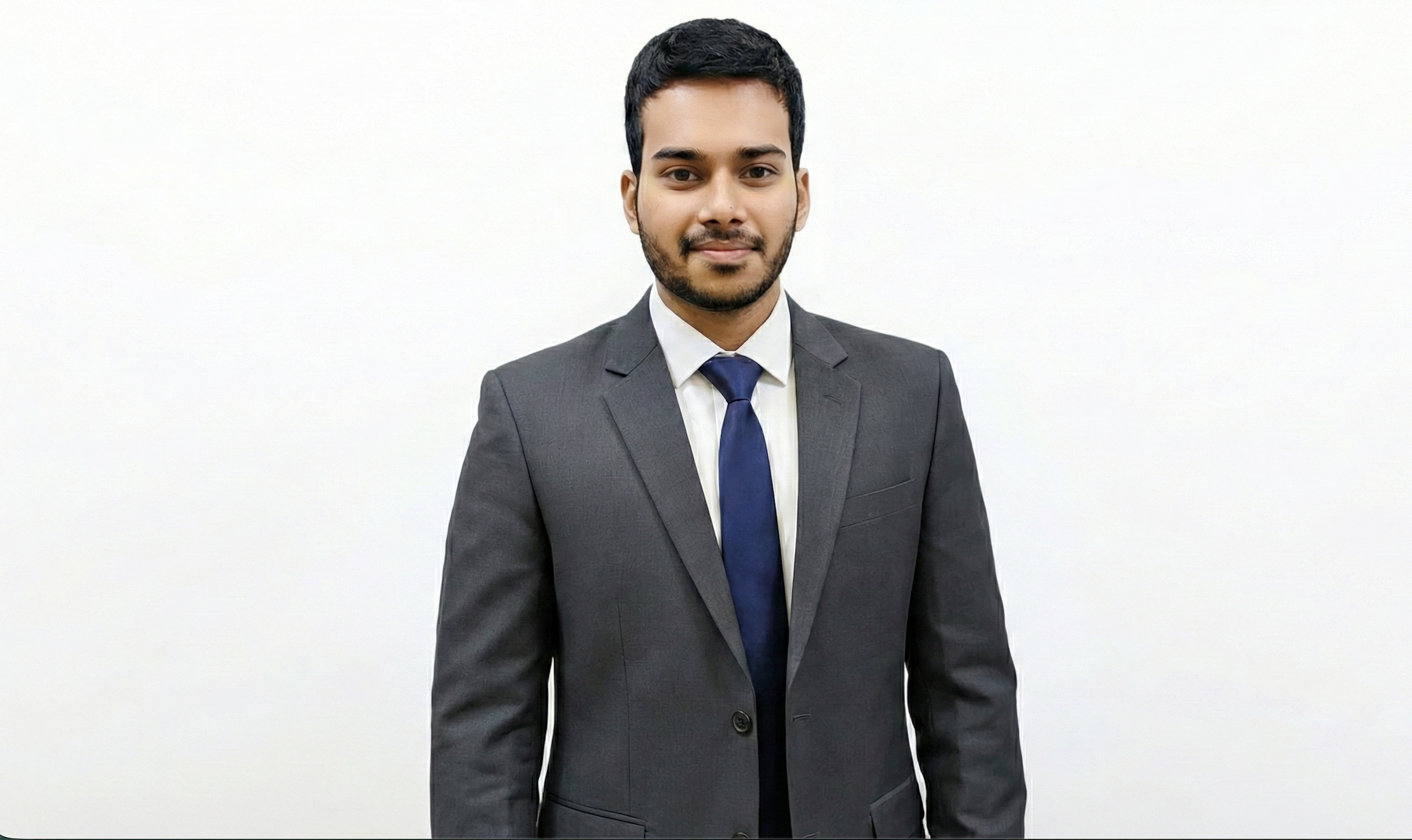
Dr. Aditya Bhawsar Brings Graftless Solutions to Patients Once Told They Had No Options

Thousands of Americans with severe upper jaw bone loss hear the same verdict every year. You do not have enough bone for implants. The standard prescription has long been a bone graft, a painful procedure that adds six to twelve months of healing and still carries a meaningful failure rate. Dr. Aditya Bhawsar, a surgically trained prosthodontist practicing in the Houston, Texas area, has spent years building a different answer. He places implants into anatomical structures most clinicians never touch, the cheekbone, the pterygoid plate behind the upper jaw, anchoring prosthetic teeth where the jawbone itself has wasted away.
The technique goes by the name remote anchorage. The number of specialists who perform it remains small. Dr. Bhawsar is one of them. He co-leads a specialty-focused implant practice and serves as a specialist at Lifetime Dental and Implant Center and A Dental Care, where he handles patients whose cases other providers have turned away.
When the Jawbone Fails, What Comes Next
Patients who lose teeth also lose bone. The alveolar ridge, the ledge of bone that once held their teeth, resorbs over months and years. Older patients, cancer survivors, and those with advanced periodontal disease often arrive with so little bone in the upper jaw that conventional implants have nothing to grip. The traditional fix, bone grafting, demands harvesting tissue from another site, packing it into the jaw, and waiting months for it to mature. Studies show that grafted bone in the posterior maxilla delivers implant survival rates near 74 percent after three to five years, a figure that trails far behind the 95 percent benchmark most clinicians expect.
Remote anchorage bypasses the graft altogether. Zygomatic implants, which measure 30 to 52.5 millimeters long, pass through the maxillary sinus and seat into the dense cortical bone of the cheekbone. Pterygoid implants angle posteriorly into the pterygoid process of the sphenoid bone. A 2024 retrospective study of 178 pterygoid implants reported a 98.3 percent success rate. A separate ITI consensus review of zygomatic implants found a mean survival rate of 96.2 percent over more than six years of follow-up. Dr. Bhawsar draws on both techniques, giving him multiple anchorage points across the upper jaw.
“Patients who were told years ago that they had no options now sit in my chair and leave the same day with fixed teeth. Remote anchorage lets me address the very cases that conventional implant dentistry struggles with most.”
Biomechanics That Carry the Load
What makes remote anchorage work is bone density. The zygomatic bone and pterygoid plates are cortical structures, far denser than the spongy alveolar bone of the upper jaw. When an implant engages cortical bone at a distant site, it gains immediate primary stability, often enough to support a full-arch provisional restoration on the same day as surgery. Finite element analyses published in 2024 and 2025 confirm that pterygoid implants inclined at 70 degrees produce lower peak stress in surrounding cortical bone than those placed at 45 degrees, a finding that refines how surgeons plan angulation and load distribution.
Dr. Bhawsar earned his Certificate in Prosthodontics and Master of Dental Sciences from Rutgers School of Dental Medicine, then completed an Implant Fellowship at Loma Linda University. He later pursued additional training specifically in remote anchorage placement, a subspecialty that demands command of skull-base anatomy and three-dimensional surgical planning. He holds Fellowship status with the International Congress of Oral Implantologists and Associate Fellow status with the American Academy of Implant Dentistry.
Same-Day Function and What It Means
A six- to twelve-month graft and heal cycle is more than an inconvenience. Patients without teeth struggle to eat, lose confidence, and often see their remaining bone continue to resorb while they wait. Remote anchorage collapses that timeline. Because the implants lock into dense bone with high initial torque, Dr. Bhawsar attaches a full-arch 3-d printed provisional prosthesis on the day of surgery, a protocol known as immediate loading. Clinical literature supports immediate-load success rates between 95 and 98 percent when experienced surgeons manage patient selection.
“When you train in both the surgical and restorative sides, you think about load distribution from the very first plan. That changes everything about where you place an implant and how the final teeth will function.”
Dr. Bhawsar’s dual training in surgery and prosthetics, fields that many practitioners handle separately, positions him to manage full-arch cases from the first CT scan through final restoration delivery. He has co-founded and grown a specialty implant practice in the Katy, Texas area while training associate doctors and developing clinical protocols. He presented at the Indian Dental Conference in February 2017 and continues pursuing continuing education to stay current with surgical methods. The patients who benefit most are the ones other offices send home. Severe bone loss does not have to mean a life sentence of removable dentures.