

Eco-Friendly Yoga Mats to Embrace in 2026: Your Ultimate Guide

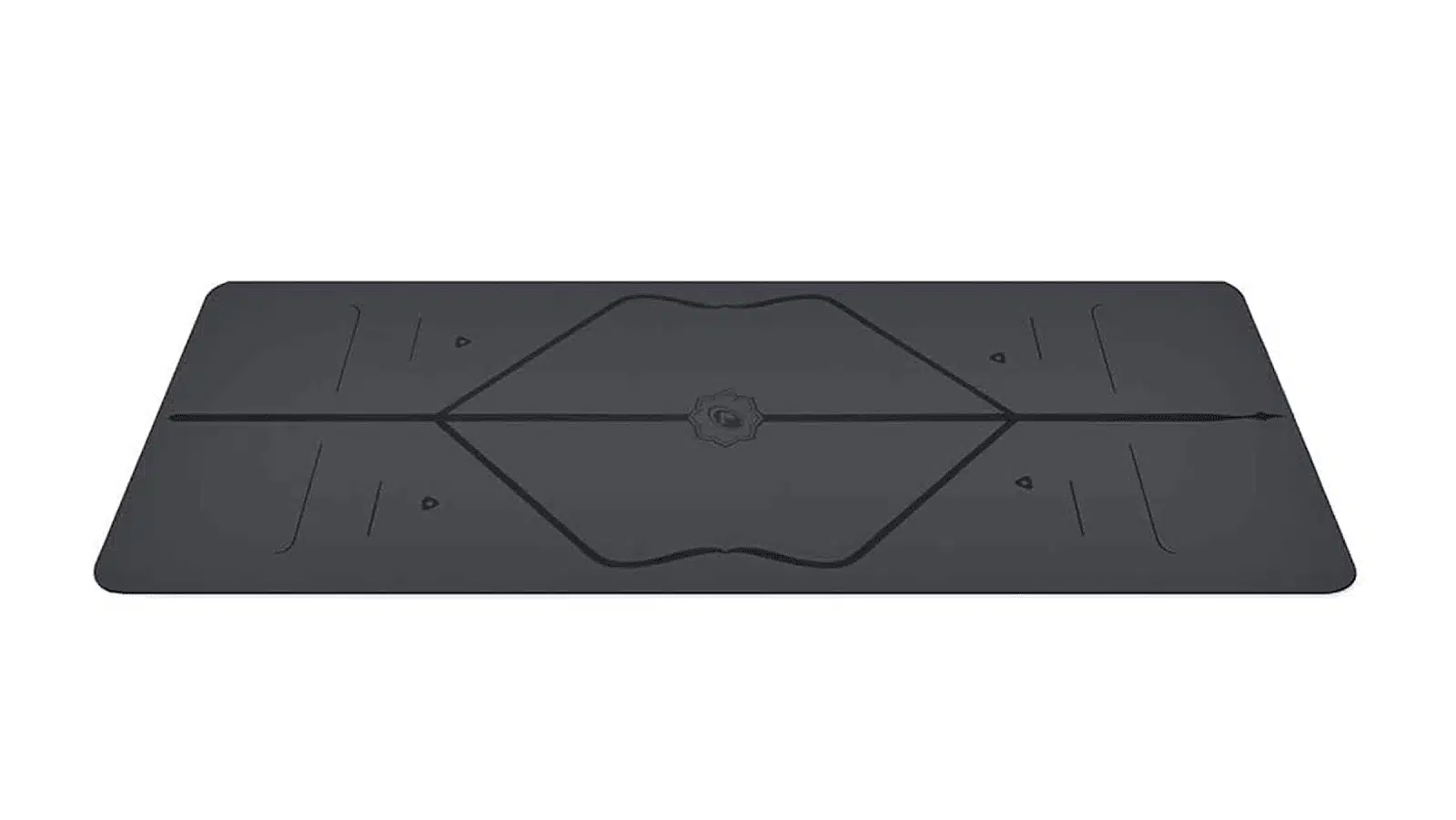
After years of diligent testing and evaluation, we’ve identified the Liforme Classic as the top choice for a non-toxic yoga mat. This mat features a natural rubber base that stays put during transitions, along with an eco-friendly surface that excels in grip, especially during hot yoga sessions. For those on a budget, the 42 Birds cork yoga mat offers a blend of renewable cork and a natural rubber base, providing lightweight support with excellent traction.
My yoga journey began with a flimsy foam mat that I picked up for under $20. At the time, I was unsure if I’d continue practicing past the first week, so I opted for a PVC mat rather than a sustainable option. Unfortunately, this choice came with drawbacks: the mat was slippery, lacked cushioning, and deteriorated quickly. By the end, it was leaving foam bits scattered all over, a symbolic testament to its unsustainable composition. Fortunately, the landscape of yoga mats has evolved. There are now numerous options that proudly label themselves as “non-toxic,” “sustainable,” and “eco-friendly.” However, without regulation, determining which brands are genuinely committed to sustainability can be challenging.
To simplify your decision-making process, we have extensively researched and practiced on a variety of non-toxic mats, including natural rubber, cork, and those made from upcycled materials. We collaborated with fellow yoga practitioners and instructors to gather comprehensive insights. The following eco-conscious yoga mats not only minimize harm to the environment but also provide excellent grip, cushioning, stability, and portability—along with a pleasing aesthetic to enhance your practice.
Here are our top recommendations for ethical and practical mats, backed by thorough testing.
Best Non-Toxic Yoga Mat Overall
Liforme Classic Yoga Mat
Materials: Natural rubber base + eco-polyurethane surface
Thickness: 4.2mm
Weight: 5.5 pounds
Dimensions: 73 x 27 inches
Sustainability: Engineered eco-polyurethane surface; no toxic glues or inks; biodegradable; recycled packaging; minimized carbon emissions.
Pros + Cons
+ Biodegradable
+ Free from toxic substances
+ Recyclable packaging
– Prone to stains and scratches
The Liforme Classic is not just another pretty mat, it’s gaining a following in yoga studios across the country. Its remarkable grip remains steadfast even during the sweatiest hot yoga sessions. The special engineering ensures no curling at the edges, allowing for fluid movements across the mat. It stays put, avant-garde, and practical, lying flat immediately upon unrolling. Although it is a touch thinner than many other options, making it feel less cushy for some, it is still admired for its eco-considerations.
The aesthetics may fade slightly with sweat, and its surface can scratch easily, making it less ideal for pet owners. However, the longevity and performance of this mat have earned rave reviews from users, making it a worthy investment in your yoga practice.
Best Budget Cork Yoga Mat
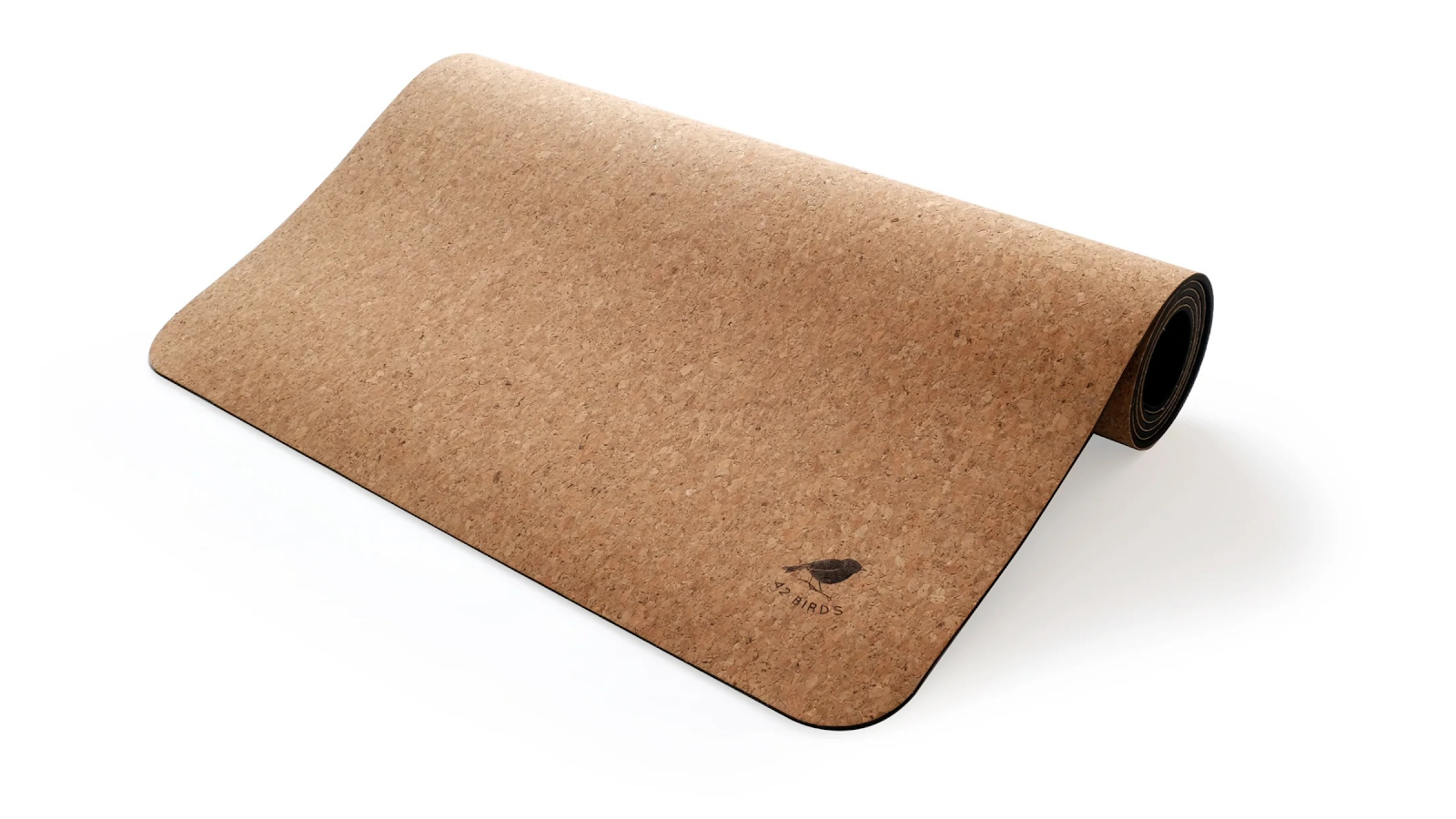
42 Birds Cork Yoga Mat
Materials: Natural rubber base + 100% recycled natural cork surface
Thickness: 5mm
Weight: Less than 2 pounds
Dimensions: 72 x 26 inches
Sustainability: Cork is renewable and biodegradable; recyclable packaging; supports multiple environmental organizations.
Pros + Cons
+ Sustainably sourced
+ Lightweight
+ Elegant cork design
– May feel slightly slick if dry
While many companies produce cork yoga mats, the quality can be quite variable. 42 Birds strikes an impressive balance between lightweight construction and durability, making it ideal for transportation to classes. It combines comfort and grip seamlessly, ensuring your practice isn’t interrupted. The cork’s cellular structure provides lightweight support while maintaining impressive durability, proving that sustainability doesn’t have to come at the expense of functionality.
This cork mat’s grip improves when wet, so a little sweat can enhance your stability. Though the surface may require care to maintain its aesthetic gloss, its sustainable nature adds elegance to your practice space.
Best 100% Upcycled Yoga Mat
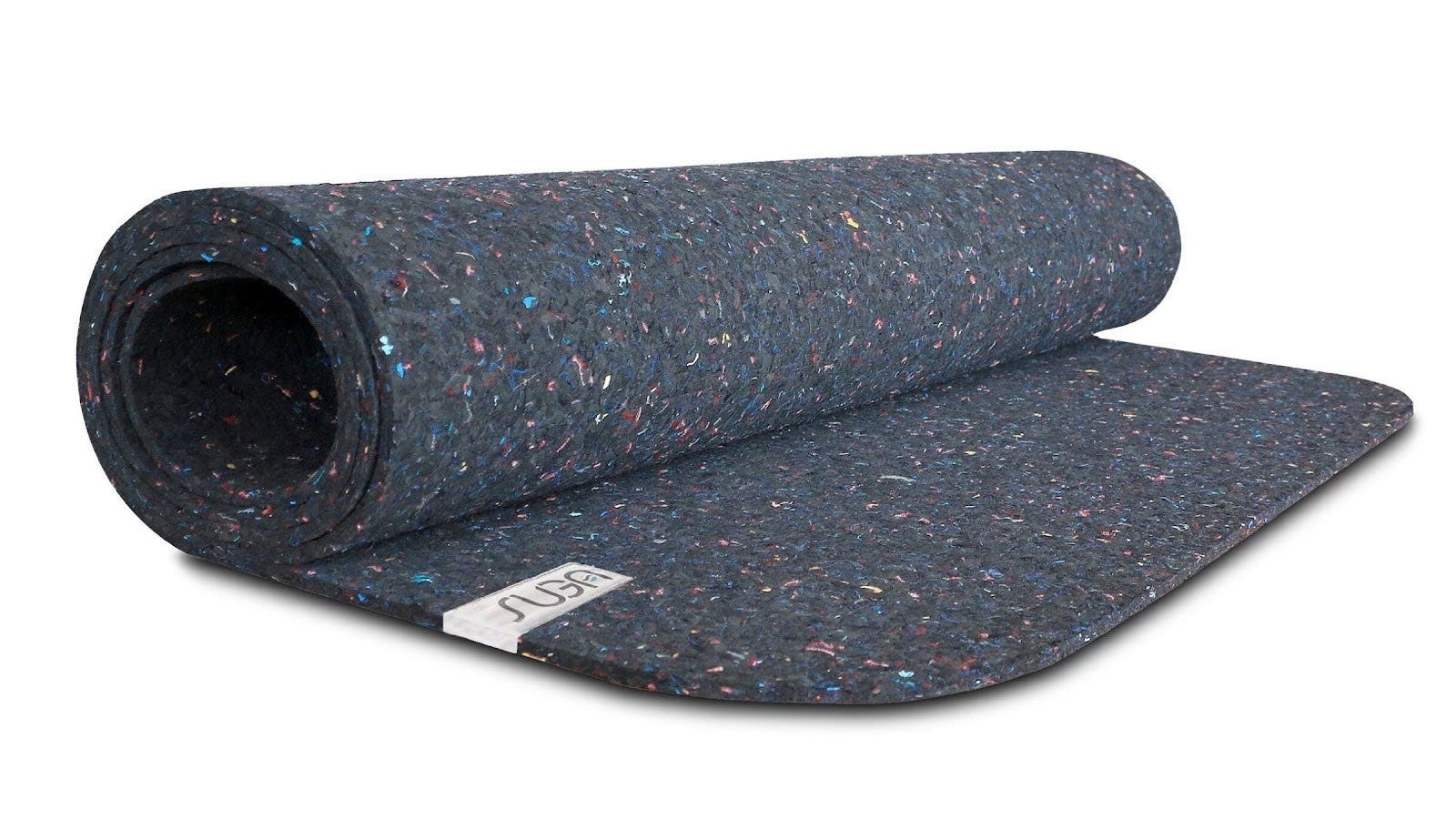
Suga Recycled Wetsuits Yoga Mat
Materials: 100% recycled neoprene wetsuits
Thickness: 5mm
Weight: 5 pounds
Dimensions: 72 x 25 inches
Sustainability: Manufactured in compliance with U.S. environmental laws, minimizing its carbon footprint.
Pros + Cons
+ Exclusively made from recycled wetsuits
+ Offers dense cushioning
+ Easy to clean
– Unique textured feel may not suit everyone
– Narrow width
Suga’s innovative approach to yoga mats reimagines waste into functional design. Their concept of “reincarnating” wetsuits into practical and appealing mats provides an alternative that uniquely blends sustainability with yoga culture. With each mat created from one discarded wetsuit, you’re supporting both eco-conscious practices and functional design.
While Suga mats may not be widely seen in studios, they have a loyal user base that appreciates their unusual texture and superior grip. An added benefit is that users can contribute their old wetsuits for recycling, fostering a cycle of sustainability.
Best Natural Rubber Yoga Mat
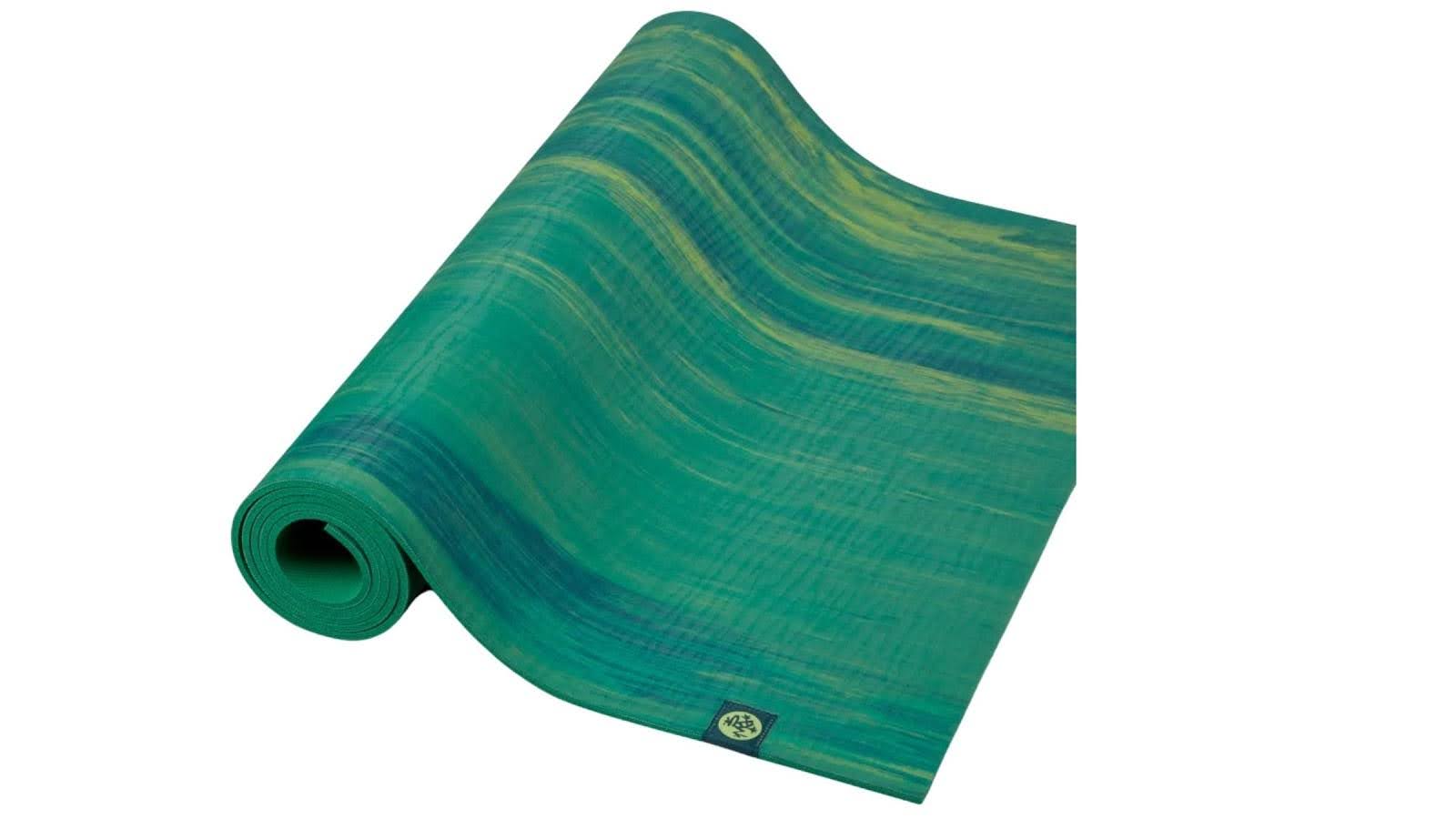
Manduka eKO Yoga Mat
Materials: 100% natural rubber
Thickness: 5mm
Weight: 7 pounds
Dimensions: 72 x 25 inches
Sustainability: Sourced from recycled non-Amazon trees; manufactured sustainably and packaged without plastic.
Pros + Cons
+ Sustainably sourced natural rubber
+ Unique texture enhances grip
+ Eliminates the need for a towel during sweaty sessions
– Not the most durable option
– Narrow profile
The Manduka eKO mat showcases exceptional cushioning and functionality, appealing to both beginner and experienced yogis. Its textured surface enables solid grip, even in challenging poses, reducing the need for additional equipment. While some users may find the narrow width limiting, it compensates with substantial cushioning for your joints.
Though it may not stand the test of time under heavy use, it delivers an enjoyable and stable experience for practitioners. Manduka also offers various alternatives for those seeking more durability without sacrificing their eco-friendly ethos.
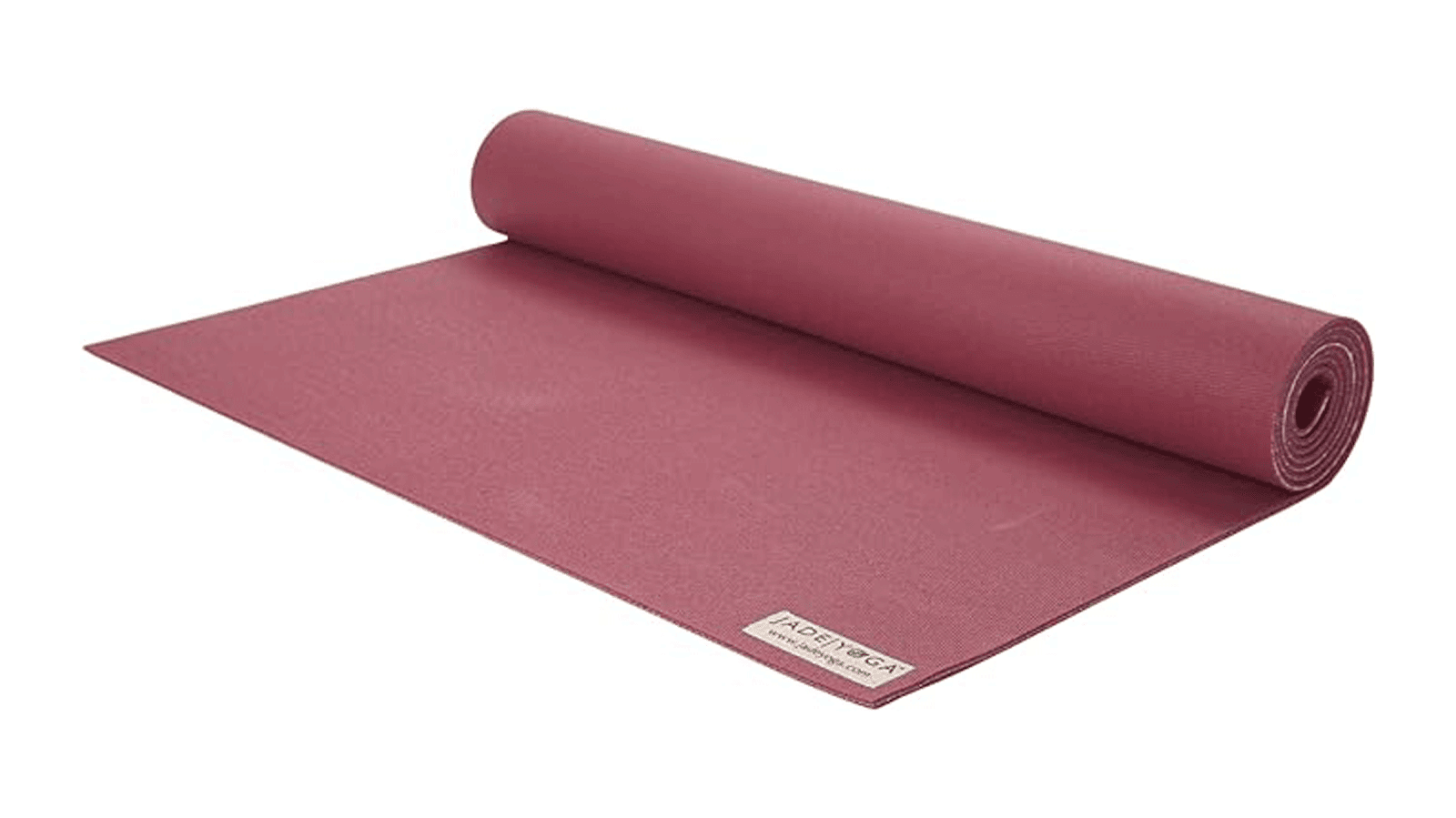
Best OG Non-Toxic Yoga Mat
Jade Harmony Yoga Mat
Materials: Natural rubber
Thickness: Just shy of 5mm
Weight: 5 pounds
Dimensions: 68 x 24 inches
Sustainability: Made from non-Amazon tree rubber; U.S.-manufactured; no overseas shipping involved; the company plants a tree for every mat sold.
Pros + Cons
+ PVC-free and phthalate-free
+ Excellent grip
+ Available in extended dimensions
– Attracts lint easily
– Shows signs of wear over time
Jade stands as a pioneer in the sustainable yoga mat movement since 2000, setting the standard for eco-friendly mat construction. Their commitment to using solely natural rubber aligns with a philosophy of simplicity and sustainability. Yoga practitioners appreciate its durability and grip, making for an optimal practice experience.
While showing signs of wear with consistent use, Jade’s Harmony mat remains a favorite for its excellent grip and eco-credentials. Options for thicker and customized mats are available, affording flexibility for diverse needs.
Non-Toxic Yoga Mat Comparison Chart
What Materials Are in Non-Toxic Yoga Mats?
The majority of non-toxic yoga mats are crafted from either natural rubber or cork, offering a complex comparison to traditional synthetic materials.
Natural Rubber
Unlike synthetic rubber, natural rubber is sourced from rubber trees and contains no harmful PVC or toxic components. Though it may include trace amounts of latex, it is sustainably harvested without harming the trees, making it a renewable resource. Natural rubber mats can be recycled, although not all local recycling programs accept them, and they are also biodegradable.
Cork
Cork manufacturing involves the careful removal of bark from specific oak trees, which regenerate every several years. This process does not damage the trees long-term; rather, these trees can absorb carbon dioxide, enhancing the sustainability of cork production. Like natural rubber, cork materials are also biodegradable and recyclable, although recycling options can vary by location.
How We Tested Non-Toxic Yoga Mats
- Mats tested: 38
- Testers: 18
- Number of classes practiced: Hundreds
- Skinned knees: 1
- Splinters from unfinished cork (not 42 Birds): 1
- Gasps of surprise: 5+
We are passionate about yoga mats and committed to helping you identify the best options for your needs. Our extensive research includes online reviews, discussions with yogis in studios, and input from instructors who have intimate knowledge of their favorite mats over time.
Our evaluation focused on non-toxic yoga mat contenders, assessing each brand’s sustainability practices, user experience, and overall value based on factors like grip, cushioning, and durability. Through input from diverse practitioners, we narrowed down the best non-toxic options to present today.
What’s the Best Non-Toxic Yoga Mat for You?
Choosing the best non-toxic yoga mat ultimately depends on your personal preferences and priorities. If you’re still on the fence or unable to invest in a new mat, remember that extending the life of your existing mat contributes to sustainability. Once you’re ready to transition, consider one of the excellent non-toxic options listed above. And when the time comes, don’t forget to recycle your old mat!